RBI का नया Credit Playbook — बैंकों को मिली High-Risk Lending की छूट! M&A, LBO और IPO Financing में आया बड़ा बदलाव
RBI has shifted from a rigid stability-first approach to a market-aligned credit framework — allowing banks to fund acquisitions up to 75% of value, raise IPO financing limits to ₹25 lakh, and enter leveraged buyout deals. This is India's biggest credit liberalisation in years, and it directly impacts how businesses borrow and how banks lend your money!
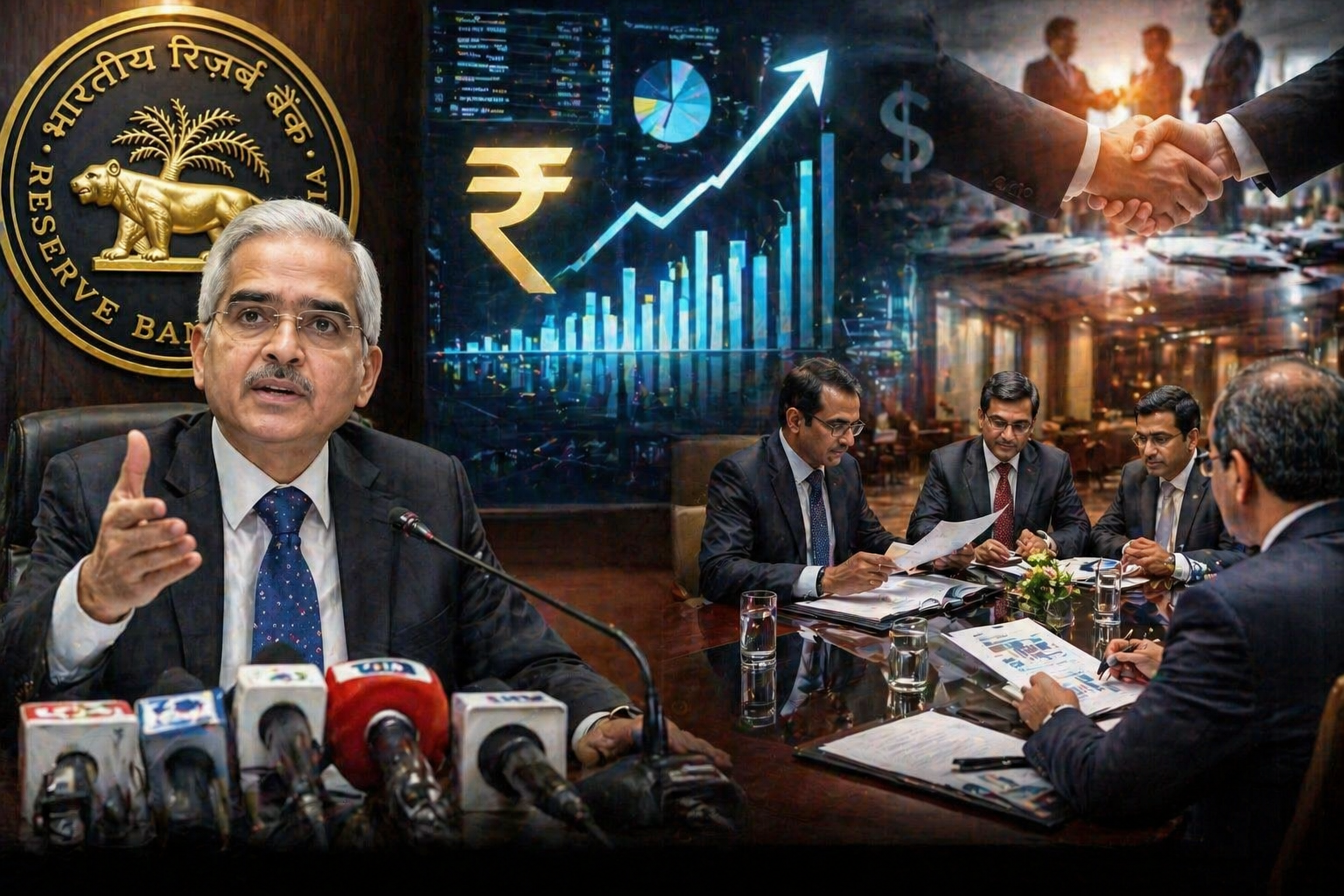
"RBI का नया Credit Playbook — बैंकों को मिली High-Risk Lending की छूट! M&A, LBO और IPO Financing में आया बड़ा बदलाव"
RBI has shifted from a rigid stability-first approach to a market-aligned credit framework — allowing banks to fund acquisitions up to 75% of value, raise IPO financing limits to ₹25 lakh, and enter leveraged buyout deals. This is India's biggest credit liberalisation in years, and it directly impacts how businesses borrow and how banks lend your money!
RBI का नया Credit Playbook: भारत की Lending नीति में ऐतिहासिक बदलाव
भारत की credit व्यवस्था एक बड़े मोड़ पर खड़ी है। Reserve Bank of India (RBI) ने अपनी पुरानी "stability-first" सोच को पीछे छोड़ते हुए एक नया, market-aligned credit framework पेश किया है। अब बैंक उन high-risk segments में lending कर सकेंगे जो पहले केवल offshore lenders या private funds के लिए reserved थे — जैसे Mergers & Acquisitions (M&A) financing, Leveraged Buyouts (LBOs) और Securities-backed loans। यह बदलाव भारतीय अर्थव्यवस्था की रफ्तार को नई ऊँचाई पर ले जाने का माद्दा रखता है।
Credit Liberalisation — क्या बदला है?
RBI ने हाल ही में RBI (Commercial Banks – Credit Facilities) Amendment Directions, 2026 के तहत कई महत्वपूर्ण reforms लागू किए हैं। इनके मुख्य बिंदु इस प्रकार हैं:
Acquisition Finance: बैंक अब किसी अधिग्रहण (acquisition) की कुल value का 75% तक financing कर सकते हैं। हालाँकि एक सुरक्षा सीमा भी तय की गई है — कुल acquisition finance exposure बैंक की consolidated net worth के 20% से अधिक नहीं हो सकता।
Securities-backed Lending: Shares के बदले loan की सीमा बढ़ाकर ₹1 करोड़ प्रति व्यक्ति कर दी गई है, जिससे substantive securities-backed lending के रास्ते खुलेंगे।
IPO Financing: अब ₹25 लाख तक IPO financing की अनुमति दी गई है, जिससे ज़्यादा निवेशक primary market में भाग ले सकेंगे।
Listed Debt Instruments: Listed debt instruments के बदले lending पर caps हटाने का प्रस्ताव है, जो credit markets को और गहरा करेगा।
Project Finance Directions 2025: Infrastructure projects को commercial operations के लिए 3 साल तक और non-infrastructure projects को 2 साल तक का rational extension मिलेगा — real-world complexities को ध्यान में रखते हुए।
यह reforms "risk को रोकने" की पुरानी सोच से "risk को intelligently manage करने" की नई सोच की ओर एक निर्णायक कदम है।
Credit Liberalisation का सही वक्त क्यों?
यह Credit Reboot महज़ संयोग नहीं है — इसके पीछे एक सुविचारित रणनीति है। भारत के capital markets mature हो रहे हैं, infrastructure में भारी investment हो रहा है और corporate consolidation तेज़ी से बढ़ रही है। इन परिस्थितियों में देश को deeper domestic capital की ज़रूरत है।
NBFC funding channels को stabilize करने और consumer credit classifications को स्पष्ट करने से funding stress कम हुआ है और bank lines फिर से NBFCs के लिए खुली हैं। इससे retail और infrastructure — दोनों sectors में credit flow diversify हो रहा है। एक broader investor base भारत के equity और debt markets को transform कर रहा है जिससे corporate innovation को support करने की market की capacity बढ़ रही है।
ऐतिहासिक रूप से, भारतीय Leveraged Buyouts के लिए offshore lenders, NBFCs या private credit funds पर निर्भरता थी। अब RBI ने बैंकों के लिए acquisition funding और listed debt के खिलाफ lending का रास्ता खोलकर deal financing को regulated banking system में वापस ला दिया है।
Evolving M&A Funding Dynamics — कैसे होती है Deal Financing?
भारत का M&A बाज़ार तेज़ी से विस्तार कर रहा है। इसमें funding के कई तरीके हैं:
1. Listed Equity:
Acquirer अपने shares को consideration के रूप में उपयोग करते हैं। इससे cash बचता है और tax efficiency मिलती है, लेकिन dilution risk और valuation fluctuation का सामना करना पड़ता है।
2. Debt Assumption:
Seller की existing debt को अपने ऊपर लेना, जो distressed deals में common है। इससे equity बचती है और interest tax-deductible होता है, लेकिन hidden liabilities और RBI/FEMA compliance की कड़ी जाँच ज़रूरी होती है।
3. High-Yield Debt और Private Credit:
Mezzanine financing, Non-Convertible Debentures (NCDs) जैसे instruments ने तेज़ी से विस्तार किया है। यह flexible, non-dilutive capital देते हैं, हालाँकि cost अधिक होती है।
4. Leveraged Buyouts (LBOs):
Purchase value का बड़ा हिस्सा debt से finance होता है, जो target की assets और cash flows से secured होता है। कम equity में बड़ी deal संभव होती है, लेकिन financial risk और post-acquisition governance की ज़िम्मेदारी बढ़ जाती है।
5. Cash और Earnout Structures:
कुछ payment upfront और बाकी performance milestones पर tied होता है। Valuation gaps को bridge करने में मदद मिलती है।
नया Credit Playbook — बैंक कैसे करेंगे काम?
Regulatory easing के साथ बैंकों को robust frameworks और strategic partnerships की ज़रूरत होगी:
Syndicated Lending: भारतीय बैंक international banks के साथ को-लेंड कर सकते हैं। Loan Market Association (LMA) transfer mechanics का उपयोग करके pricing optimize होगी, risk diversify होगा और exposure caps के अंदर रहा जा सकेगा।
ECB और IFSC Banking Units: External Commercial Borrowing और IFSC banking units का लाभ उठाकर cross-border funding के लिए cost-efficient foreign currency tranches तक पहुँच बनाई जा सकेगी।
Emerging Skills — बैंकों को किन capabilities की ज़रूरत होगी?
नए नियम अवसर तो देते हैं, लेकिन expertise भी माँगते हैं:
Deal Underwriting और Syndication: Robust LBO/M&A models बनाना, synergies और integration risks को capture करना, bridge-to-bond exits की planning करना।
Securities-backed Lending: Daily mark-to-market discipline, intraday margining, precise haircut calibration और volatility shocks के लिए clear gap-down playbooks।
REIT/InvIT Lending: Trust deeds को समझना, debt service coverage ratio (DSCR) covenants monitor करना और distributions की सुरक्षा के लिए capex reserves की planning करना।
Basel-grade Analytics: Credit ratings compute करना और off-balance sheet exposures पर credit conversion factors apply करना।
Risk Management — नए अवसर, नई चुनौतियाँ
Liberalisation के साथ-साथ risks भी बढ़े हैं। बैंकों को इन पर ध्यान देना होगा:
Regulatory Compliance: सभी risk-taking activities के लिए governance frameworks को मज़बूत रखना।
Thorough Due Diligence: High-risk investments में borrower profiles, sectoral exposure और deal structures का careful मूल्यांकन।
Real-time Monitoring: Continuous controls monitoring systems लागू करके emerging vulnerabilities को proactively detect करना।
Structured Financing: Exposure कम करने और potential defaults से बचाव के लिए structured instruments का उपयोग।
निष्कर्ष — आपकी Banking पर क्या होगा असर?
RBI के इस नए Credit Playbook का असर सिर्फ बड़े corporates तक सीमित नहीं है। जब बैंकों के पास ज़्यादा lending flexibility होगी और वे sophisticated deals fund कर सकेंगे, तो पूरे banking ecosystem में capital का प्रवाह बेहतर होगा। इसका मतलब होगा — businesses को ज़्यादा और सस्ता credit, IPO market में ज़्यादा participation, infrastructure projects को तेज़ funding, और अंततः आम जनता के लिए बेहतर banking services और financial products।
हालाँकि यह liberalisation तभी फायदेमंद होगी जब बैंक अपने risk management frameworks को उतनी ही तेज़ी से upgrade करें। RBI की यह नई नीति भारत के banking sector को global standards के करीब ले जाने का एक महत्वपूर्ण कदम है — लेकिन जिम्मेदारी के साथ।